
Oncology & Dental Health Boston
Supporting You During Your Oral Cancer Journey
Tens of thousands of new cases of oral cancer are diagnosed each year. If you have recently received such a diagnosis, rest assured that our Boston team feels the greatest empathy for you, and we want to support you. Although we do not directly treat oral cancer, we can provide guidance and support services that play an important role in your overall health management. Continue reading to learn more, or contact us directly for additional information.
Why Choose Dental Health & Wellness Boston for Support During Oral Cancer Treatment?
- Team with Extensive Oncology Knowledge
- Oral Cancer Screenings Lead to Early Diagnosis
- Compassionate & Skilled Dental Team Focused on Your Health
How Does Cancer Affect Oral Health?
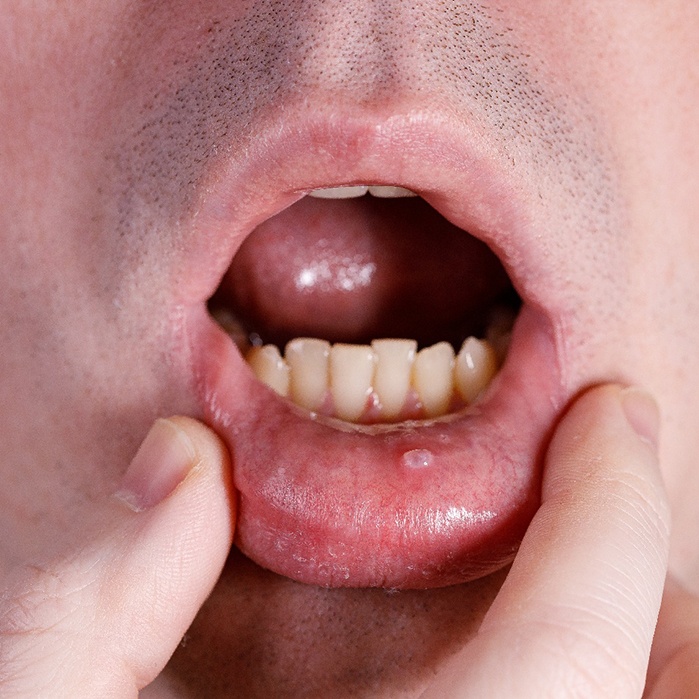
Oral cancer is not the only form of this disease that can affect your teeth. In fact, any form of cancer — and the treatments commonly used to address it — can have a profound impact on your smile in a number of ways. You might experience:
- Mouth sores: Cancer treatments kill rapidly dividing cells, including healthy ones in the mouth.
- Dry mouth: Your saliva glands may suffer damage. A lack of saliva increases oral bacteria, which can lead to bad breath, cavities, and gum infections.
- Weakened immune system: Reduced immune function can make you more vulnerable to dangerous infections.
- Changes to taste and swallowing: Food may taste different, and swallowing may become more challenging.
- Severe damage: In some cases, the jawbone can lose its blood supply, leading to bone death.
Taking Care of Your Dental Health During Cancer Treatment

Throughout your treatment journey, you need to take extra steps to minimize the risk of long-term consequences for your smile. You should:
- Prioritize oral hygiene: Thorough brushing and flossing can do a lot to minimize the buildup of bacteria.
- Stay hydrated: Sip on plenty of water to reduce the impact of dry mouth.
- Eat nutritious foods: Try not to overindulge in sugary or overly salty foods that might irritate your oral tissues and contribute to bacterial growth.
- Avoid damaging habits: For example, you should not use toothpicks because they can create tiny wounds. You should also not smoke or eat foods with sharp edges, such as chips.
- Use sugar-free treats to help: Cancer patients often find that sucking on sugar-free candies eases the discomfort of dry mouth. Sugar-free popsicles may soothe painful mouth sores.
How We Can Help

Our team regularly performs oral cancer screenings. If we notice any signs or symptoms that might point to the disease, we can help you arrange for additional testing.
Even before your first cancer treatment, your oncologist may advise you to visit a dentist. During this appointment, we will examine your mouth and provide guidance to help you through your treatment journey. We will also treat existing issues if circumstances permit. In some cases, we help oncologists by removing teeth prior to the beginning of treatment for oral cancer.
Our team is committed to providing gentle care that supports your whole-body health, so you can count on our empathy and expertise as you fight your disease and hold onto hope for better days ahead.