
Supporting Your Oral Health While Undergoing Chemotherapy
September 28, 2026
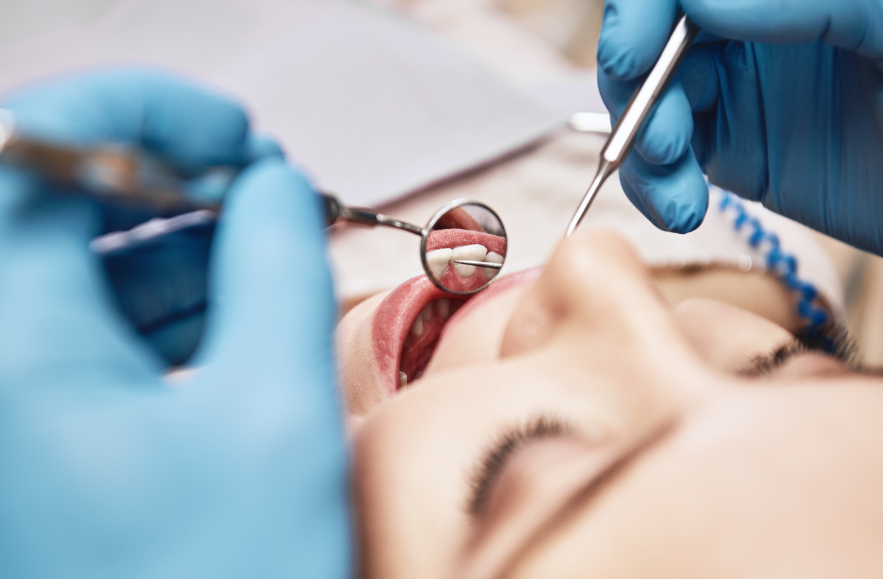
When you’re undergoing chemotherapy, taking care of your teeth and gums might not be at the top of your list. You’re already managing appointments, medications, and plenty of changes to your daily routine. However, chemotherapy can also affect your mouth, making good oral care an important part of your overall well-being.
Some chemotherapy treatments can cause mouth sores, dry mouth, changes in taste, infections, and other oral complications. Chemotherapy can also affect the body’s ability to fight infection and may make the mouth more vulnerable to irritation. Fortunately, there are steps you can take to help protect your smile throughout treatment.
Visit Your Dentist Before Treatment If Possible
If you know you’ll be starting chemotherapy, talk with both your oncology team and your dentist beforehand. The National Cancer Institute recommends having a complete oral health evaluation before cancer treatment when possible. Identifying and addressing potential sources of infection or irritation ahead of time may help reduce complications during treatment.
Make sure your dentist knows about your cancer diagnosis, treatment plan, and medications. Your oncology and dental teams can coordinate to determine which treatments are appropriate and when dental procedures should be performed.
Be Gentle With Your Teeth and Gums
Chemotherapy can make the tissues inside your mouth more sensitive, so your usual oral hygiene routine may need some adjustments. Continue keeping your mouth clean, but use a soft or extra-soft toothbrush and brush gently.
Fluoride toothpaste can help protect your teeth from decay. If your mouth is particularly sore, ask your healthcare team whether you should modify your brushing routine or use a different oral-care product. If you already floss regularly, your healthcare team can advise you about continuing to floss, particularly if your blood counts are low or your gums are bleeding.
Keep Your Mouth Moist
Dry mouth can be another side effect of cancer treatment. Reduced saliva can make it more difficult for your mouth to naturally wash away food particles and protect your teeth, potentially increasing the risk of cavities.
Drink water regularly throughout the day to help keep your mouth moist. Sugar-free gum or candy may also help stimulate saliva if your oncology team says these are appropriate for you. Your dentist or medical team may recommend an artificial saliva product if dryness becomes especially bothersome.
Pay Attention to Mouth Sores
Mouth sores, also called oral mucositis, can develop during some cancer treatments. They may make eating, drinking, and speaking uncomfortable. Tell your healthcare team if you develop sores, significant mouth pain, or difficulty eating or drinking.
Your care team may recommend a specific mouth rinse or other treatment to manage your symptoms. Avoid using alcohol-containing mouthwash unless your healthcare provider specifically recommends it, as it may irritate sensitive tissues.
Stay in Communication With Your Care Team
Your oral health deserves attention throughout chemotherapy, not just before treatment begins. Report unusual bleeding, swelling, sores, pain, signs of infection, or difficulty eating and drinking to your healthcare team promptly.
Your dentist can also help you protect your teeth and gums during and after treatment. By keeping your dental and oncology teams informed and following their personalized recommendations, you can give your mouth the care it needs while you focus on your broader treatment plan.
Taking care of your smile is one more way to take care of yourself.
About the Practice
Dental Health and Wellness Boston provides comprehensive dental care with a whole-body approach to oral health. The practice emphasizes the connection between oral health and overall wellness, offering personalized care designed to support patients’ long-term health. Its team works with patients to understand their individual needs and create dental care plans that complement their broader health goals.
Call us at (617) 742-1220 or schedule your appointment online