
A Mouthy Medical Dilemma: 4 Medications That Can Cause Tooth Decay
July 9, 2026
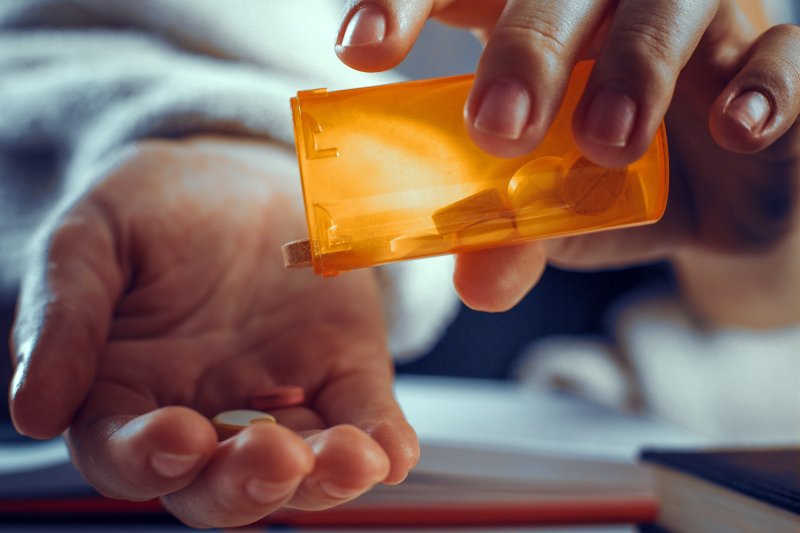
When people talk about cavities, they almost always point to bad eating and poor hygiene as the culprits. Don’t teeth only erode when you eat junk and don’t clean your smile enough? Even so, medicine is also a risk factor; some medications can cause tooth decay over time. You’ll thus need to consider the drugs you take – whether prescribed or over-the-counter – to protect your smile. Do so now with this primer on cavity-causing medications, courtesy of our own Dr. Smith.
Which Medications Can Lead to Tooth Decay?
Surprisingly enough, various medications have tooth decay as a known side effect. These include the following:
Antihistamines
Antihistamines – Benadryl, for example – are drugs that treat allergy symptoms, so you wouldn’t normally link them to oral health. However, they can actually do a number on your teeth sometimes.
The issue is that antihistamines block histamine receptors. In doing so, they often reduce the amount of saliva in your mouth that clears out harmful bacteria. These drugs can thus indirectly erode your enamel.
Antibiotics
You know how antibiotics fight bacterial infections, killing problematic bacteria? Well, they can produce enamel defects when doing so.
Take amoxicillin, for instance. This liquid drug may contain sugar, so too much of it can decay a child’s teeth.
Pain Medicines
That pain medicines might rot your teeth is especially ironic, as these drugs can seem like the most “healing” ones of all. Still, some NSAIDS and opioid medications for aches may lead to decay.
Once again, the problem is dry mouth. As certain pain medicines relieve the aches in your body, they decrease your mouth’s supply of saliva. They thus increase your risk of cavities.
Chemotherapy Drugs
The drugs used in chemotherapy are meant to kill cancer cells and nothing else. Unfortunately, they can have a damaging effect on your teeth.
You see, chemotherapy drugs tend to restrain your immune system. This process can cause changes in your mouth’s lining and salivary glands, upsetting the healthy balance of bacteria. The long-term result is then a higher likelihood of cavities.
How Should You Counter Their Decay Effect?
It’s possible to counter the tooth-decaying effects of the above medicines. Really, all you have to do is adopt the following habits:
- Keep Your Mouth Clean – As always, please brush your teeth twice daily and floss between them once daily. You should also see Dr. Smith for frequent checkups.
- Take Medicines at Meals – Medications don’t affect your mouth as much when taken with food. So, ingest them with your meals going forward.
- Follow a Mouth-Healthy Diet – If your diet focuses on water, little caffeine, and no sugar, you’ll better protect your pearly whites.
Since medications can cause tooth decay, don’t rule out your “meds” as part of your oral care. Note their effects and get advice from your dental provider!
About the Practice
Dental Health & Wellness Boston is based in Boston, MA. Led by Drs. Jill Smith and Alan Budd, our practice has helped the local community smile for nearly thirty years. We’ve always kept at the cutting edge of dentistry in that time with preventive, cosmetic, and restorative treatments tailored to you. As such, please rest assured – our team knows how to help your grin thrive! For more details or to book a visit, please contact us on our website or by phone at (617)-742-1220.